The Mount Everest Base Camp trek in Nepal is one of the world’s best bucket list hikes. In less than 2 weeks, you can trek to the foot of Mt Everest and other snowy peaks in the Himalayan mountains.
The good news is that it’s not a super difficult hike, and you don’t need a big budget to do it. It’s worth it for the fun and accomplishment alone, but you also get views of the Himalayas that are out of this world.
This travel guide will explain how you can do the EBC trek independently (with or without a tour guide), along with a recommended packing list and everything else you need to know before you go!
Best Everest Base Camp Tours
First of all, if you’d rather skip the hassle of planning your own EBC Trek, Klook has Everest Base Camp Tours starting as low as $900 USD for a full 12-day trek.
You may be able to find something cheaper than this once you land in Kathmandu, but booking online with a vetted tour company has some big advantages, and the reviews on their website are very positive.
We’ve used Klook for lots of tours and activities around the world, and they’re great! Highly recommended.
When To Do The EBC Trek
The Mt Everest region has 4 different trekking seasons:
- March – May: High season. Best weather, with stable temperatures and bright sunny days, but the trails can get crowded. During these months you may share the EBC trail with pro climbers on the way to go summit Everest.
- June – August: Monsoon season. There’s a lot more rain during these months, and the trails are mostly empty.
- September – October: Clear days and busy trails. This is one of the most popular trekking seasons.
- November – February: Coldest season, but the weather is stable and dry. The trails are mostly clear.
I trekked in early February, and even though it was nice having the trail mostly to myself, the cold in the evenings and mornings was straight up misery.
If I could go back and change it, I would definitely do my hike later in the season.
Weather At Everest Base Camp
Temperatures on the Mt Everest Base Camp trek can range from 5 °C (40 °F) to 20 °C (70 °F) depending on month, and as low as -30 °C (-22 °F) at night during the winter months.
If you trek during the warmer months (Mar-May and Sep-Oct), the cold is not a big problem and shouldn’t be hard to cope with. Winter is a different story. Your snot will freeze in your nose at Gorak Shep.
Sunshine is key for winter trekking in Nepal, and thankfully you should have lots of sun in most months outside of the monsoon season. On my February hike, I often found myself shedding all my layers while trekking because I was heating up in the sun.
If you do your Everest Base Camp hike during the winter, the biggest issue is staying warm in the evenings and at night. For this, you’ll definitely want a top quality down jacket and sleeping bag.
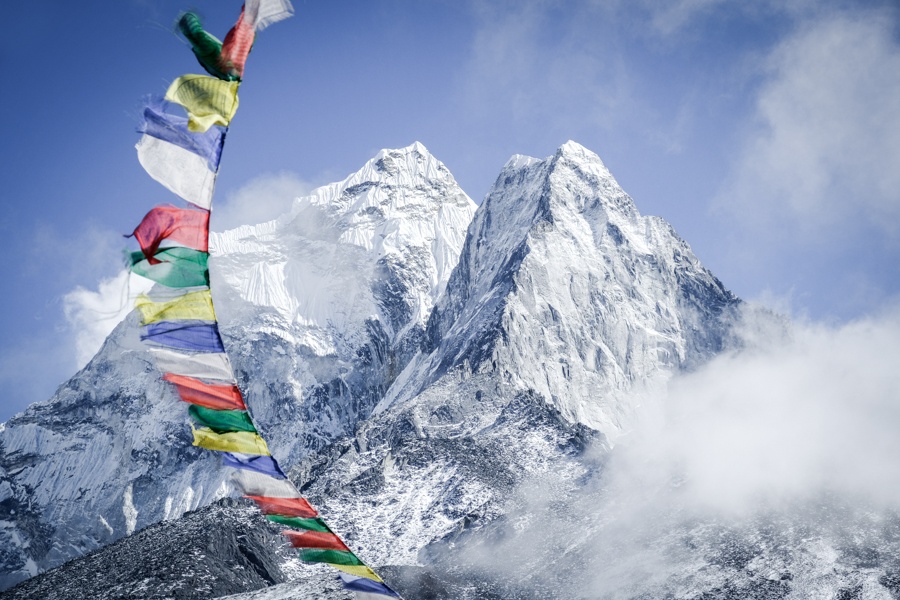
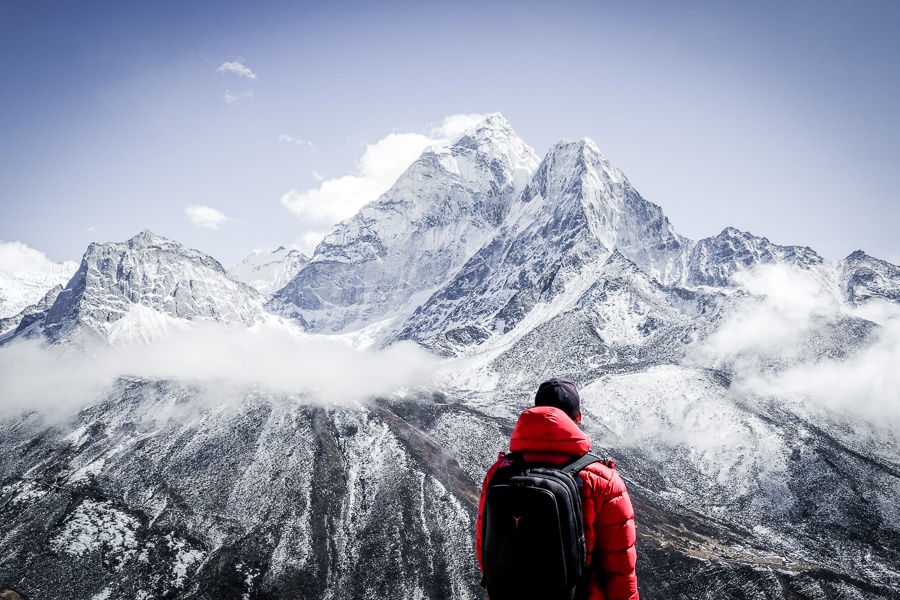
All About Everest Base Camp Trekking
My Itinerary
- Day 1: Kathmandu to Lukla to Benkar.
- Day 2: Benkar to Namche Bazaar.
- Day 3: Namche Acclimatization Day.
- Day 4: Namche to Phortse.
- Day 5: Phortse to Pangboche.
- Day 6: Pangboche to Dingboche.
- Day 7: Dingboche Acclimatization Day.
- Day 8: Dingboche to Thukla.
- Day 9: Thukla to Gorak Shep.
- Day 10: Everest Base Camp.
- Day 11: Kala Patthar to Gorak Shep to Pheriche.
- Day 12: Pheriche to Namche.
- Day 13: Namche to Lukla.
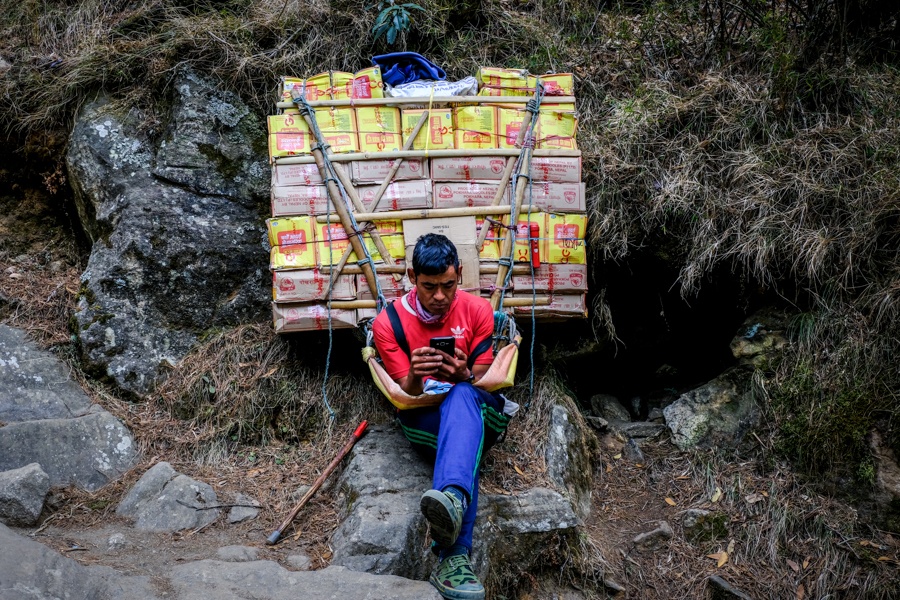
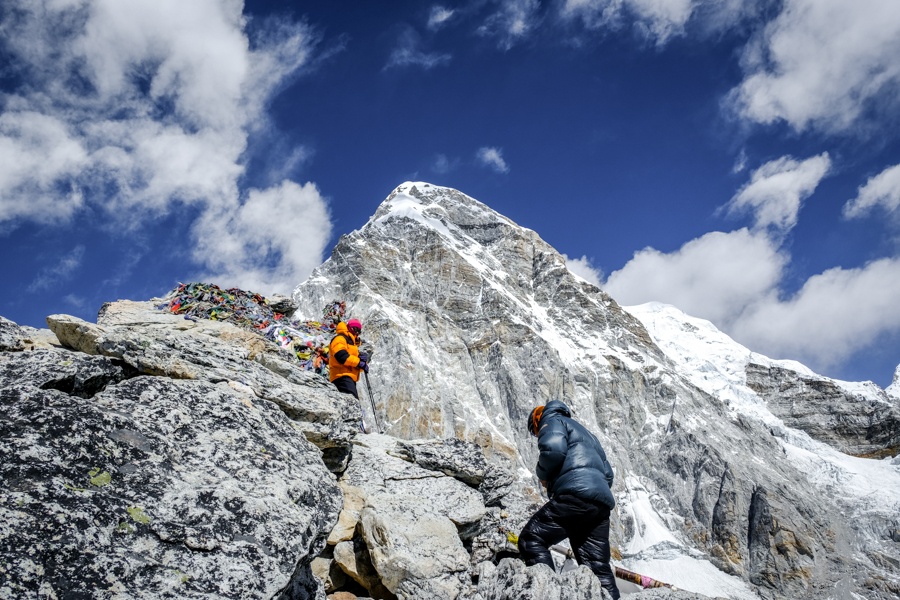
What To Bring: Packing List
This isn’t a complete list of everything to bring on a Mt Everest Base Camp Trek, and you may have to change things up a little depending on what month you go, but these are just some of the basics.
You can find most of this gear in Kathmandu, but in my opinion you’ll get higher quality and a wider selection if you order online.
- Beanie: I only wore this at night, but it definitely helped keep my ears warm.
- Down Jacket: Bring the biggest, warmest DJ possible. This is your most important piece of gear. You can use it as an extra cover at night.
- Fleece Sweater: This is the only jacket you’ll need to wear while trekking most days, especially if it’s sunny.
- Shirts: Something comfy with quick dry material.
- Trekking Pants: Something lightweight and breathable.
- Thermal Underwear: May not be needed if you trek in the warmer months.
- Gloves: I only wore these at night, but they definitely helped keep my hands warm.
- Socks: Merino wool is best for staying warm and stopping moisture.
- Headlight: It’s smart to have one just in case. I like this headlight from Bushnell or this one from Streamlight.
- Tumbler: 1 liter water bottle to refill daily on the trek.
- Sunblock: It’s easy to sunburn at high altitudes. A small bottle is plenty.
- Sunglasses: Good for snow. May not be necessary unless you plan to hike a mountain pass like Cho La.
- Hat: I wore old faithful throughout the hike.
- Watch: An altimeter watch would be fun to play with here.
- Camera: Duh. You can’t do the Mt Everest Base Camp Trek without taking lots of pictures.
- Power Bank: Bring a big power bank and you might only need to recharge it once on the whole trek.