Angkor Wat: Cambodia’s Temple City in the Jungle
For many travelers, a visit to Angkor Wat sits near the very top of the bucket list — and for good reason. This sprawling temple city in northwest Cambodia is one of the world’s great archaeological treasures. Walking through Angkor is both exhilarating and humbling, a place where the weight of centuries seems to linger in every stone corridor.
Exploring the temples can feel a bit like stepping into a storybook jungle. Massive towers rise above the forest canopy, while enormous tree roots curl around ancient walls like nature reclaiming what humans once built. These temples are nearly a thousand years old, and time has left its mark: collapsed roofs, weathered carvings, and quiet courtyards slowly being swallowed by the tropical forest.
Yet despite the ruins, the grandeur remains unmistakable.
A Temple Built for an Empire
Angkor was once the capital of the powerful Khmer Empire, and Angkor Wat itself was constructed in the 12th century as a Hindu temple dedicated to Vishnu. The name “Angkor Wat” translates roughly to Temple City, which feels fitting — the complex stretches across more than 160 hectares (about 400 acres), making it the largest religious monument on Earth.
The construction itself was a staggering achievement. Historians estimate that more than 300,000 workers and thousands of elephants labored for decades to complete the project.
Over time the temple shifted from Hinduism to Buddhism, reflecting the spiritual evolution of the region. Eventually the city of Angkor declined, and the temples were gradually reclaimed by the jungle until European explorers encountered them again in the 19th century. One of them, the French naturalist Henri Mouhot, was so impressed that he compared the ruins to the greatest monuments of classical Europe.
Today Angkor is protected as a UNESCO World Heritage Site and welcomes millions of visitors each year.
Where Is Angkor Wat?
The temples sit just outside the lively town of Siem Reap in northwestern Cambodia. Most travelers arrive through Siem Reap Angkor International Airport, with easy connections from Southeast Asian hubs such as Bangkok, Singapore, and Kuala Lumpur.
From Siem Reap, the temples are only about 15 minutes away — close enough that you can wake before dawn and still arrive in time for one of the most famous sunrises in the world.
Sunrise at Angkor
If there’s one moment you shouldn’t miss, it’s dawn at Angkor Wat.
Long before sunrise, travelers gather beside the temple’s reflecting pools, waiting quietly as the sky begins to glow. Slowly the lotus-shaped towers emerge from the darkness, silhouetted against soft pink and orange light. As the sun rises directly behind the temple, its reflection shimmers in the water below — a moment that has inspired photographers and pilgrims for generations.
Yes, there will be crowds. But it’s still magical.
Exploring the Temple Circuits
Angkor Archaeological Park is enormous, and most visitors explore it through two traditional routes: the Small Circuit and the Grand Circuit. Despite their names, both routes easily fill a full day of exploration.
The Small Circuit focuses on some of the most iconic temples. Highlights include:
Bayon, famous for its mysterious towers carved with serene stone faces
Ta Prohm, where enormous jungle roots drape over ancient walls
Banteay Kdei, a quieter temple with sprawling corridors and tangled trees
The Grand Circuit takes you farther afield, revealing equally fascinating but slightly less crowded ruins such as:
Preah Khan, a maze-like temple slowly being reclaimed by nature
Neak Pean, a serene temple set in the middle of a pond
Pre Rup, a towering brick temple often glowing beautifully at sunset
If you have the time, the best strategy is simple: spend at least two days and explore both.
Beyond the Main Temples
Some of the most rewarding temples lie outside the main Angkor circuit.
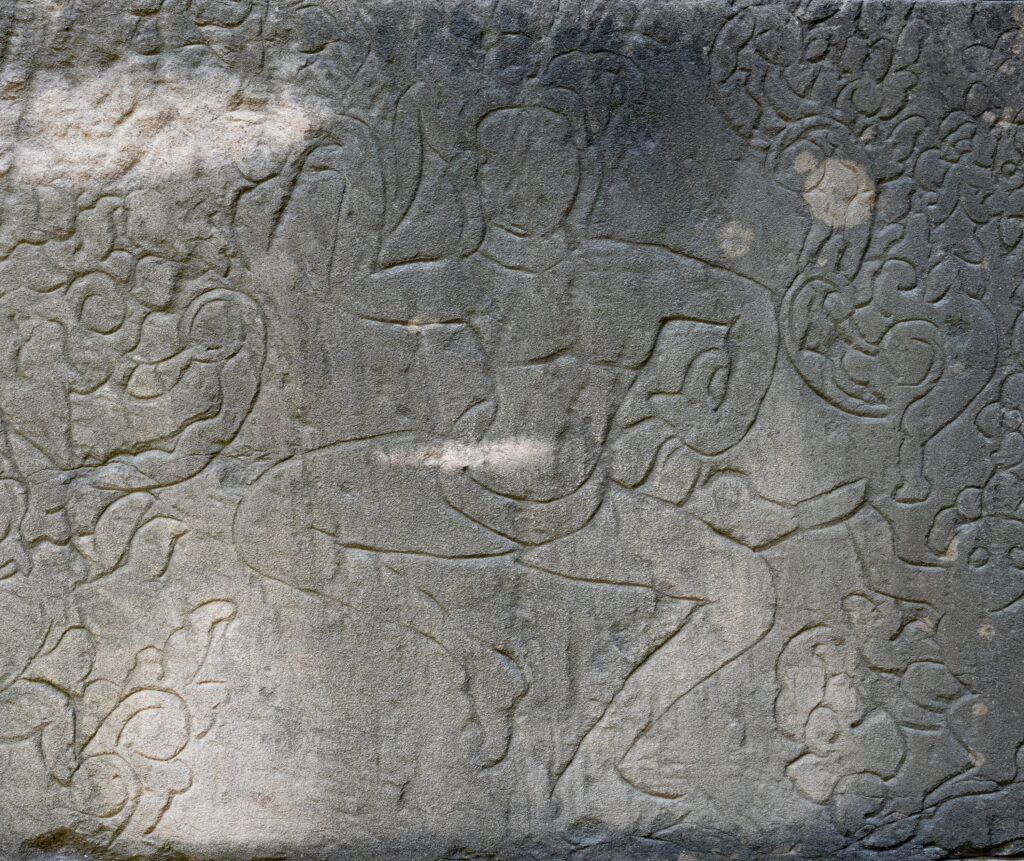
One favorite is Banteay Srei, a smaller temple known for its incredibly detailed red sandstone carvings.
Another adventure takes travelers to the remote pyramid temple of Koh Ker, hidden deep in the forest. Climbing its steep steps rewards you with sweeping jungle views.
And for those who love the “lost temple” atmosphere, Beng Mealea offers crumbling walls and corridors that still feel largely untouched by time.
Visiting the Temples
Foreign visitors purchase entry passes at the Angkor ticket office before entering the park. As of 2026, tickets cost:
1 day: $37
3 days: $62
7 days: $72
The three-day pass is often the best choice, allowing travelers to explore at a relaxed pace.
Because Angkor remains an active religious site, modest clothing is required — shoulders and knees should be covered.
And remember: Cambodia’s tropical heat can be intense. Start early, drink plenty of water, and take breaks whenever the shade of a temple corridor invites you to slow down.
Staying in Siem Reap
Most visitors base themselves in Siem Reap, a lively and welcoming town filled with restaurants, markets, and surprisingly affordable hotels.
From simple guesthouses to elegant boutique hotels with pools and lush gardens, Siem Reap offers excellent value. After a long day exploring temples, a cool drink and a relaxing massage in town can feel like a reward well earned.
When to Visit
Cambodia’s climate is tropical — warm and humid year-round.
Dry season: December–April (generally the best weather)
Rainy season: May–November, with heavier rains in September and October
Even during the rainy months, showers often come in short bursts, leaving plenty of time for exploring.
Whenever you visit, the key is to start early. By mid-afternoon the tropical sun can be intense, and mornings offer the most peaceful temple experiences.
Why Angkor Still Captivates
In the end, Angkor Wat isn’t just about ancient stones or impressive architecture. It’s about the feeling you get wandering through a place where history, nature, and spirituality intertwine.
Stand quietly in the shadow of those ancient towers, listen to the wind in the trees, and it’s easy to imagine the grandeur of the Khmer Empire at its height.
And like so many great travel experiences, Angkor leaves you with a simple thought: the world is far older, richer, and more fascinating than we sometimes remember.