Cambodia: Temples, Tenacity, and Timeless Smiles
There’s something disarming about Cambodia. The smiles are warm and genuine — and they shine even brighter when you know the country’s painful recent history. In the 1970s, under the brutal regime of Pol Pot, Cambodia endured one of the 20th century’s darkest genocides. Today, the nation honors that memory while welcoming travelers with resilience, grace, and curiosity.
For many visitors, the gateway to Cambodia is the laid-back town of Siem Reap — jumping-off point for the legendary temples of Angkor.
Angkor: Where Stone Meets Jungle
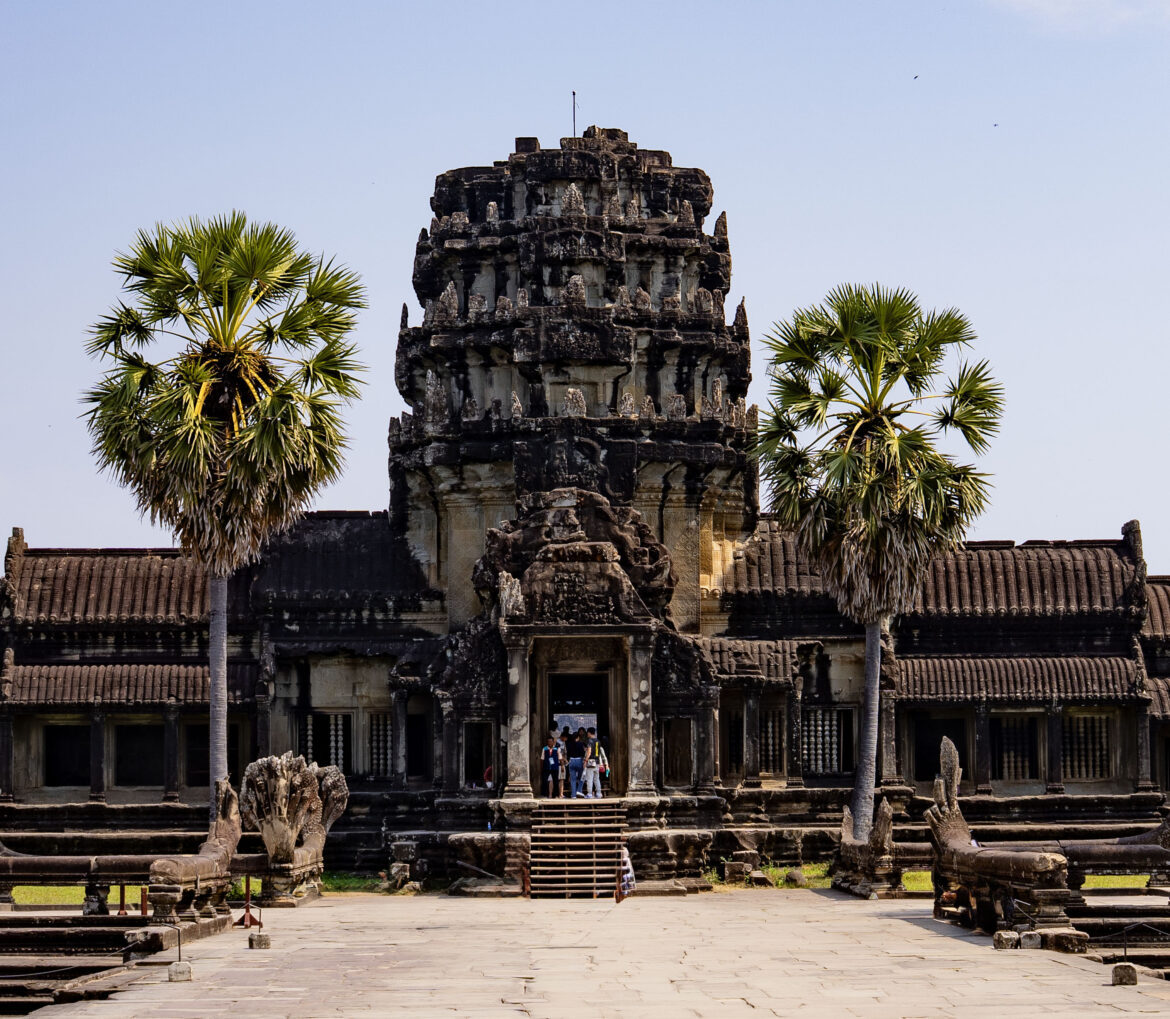
The crown jewel of Cambodia is Angkor Wat, the world’s largest religious monument and a masterpiece of 12th-century Khmer architecture. Built as a Hindu temple (and later transformed into a Buddhist sanctuary), Angkor Wat spreads across hundreds of acres in a grand display of towers, galleries, and intricately carved bas-reliefs.
Wandering these ruins feels a bit like stepping into The Jungle Book — tangled roots, crumbling corridors, and temple towers rising above the treetops. Sunrise here is pure magic: lotus-shaped spires silhouetted against a pink sky, reflected in the still water of the surrounding moat.
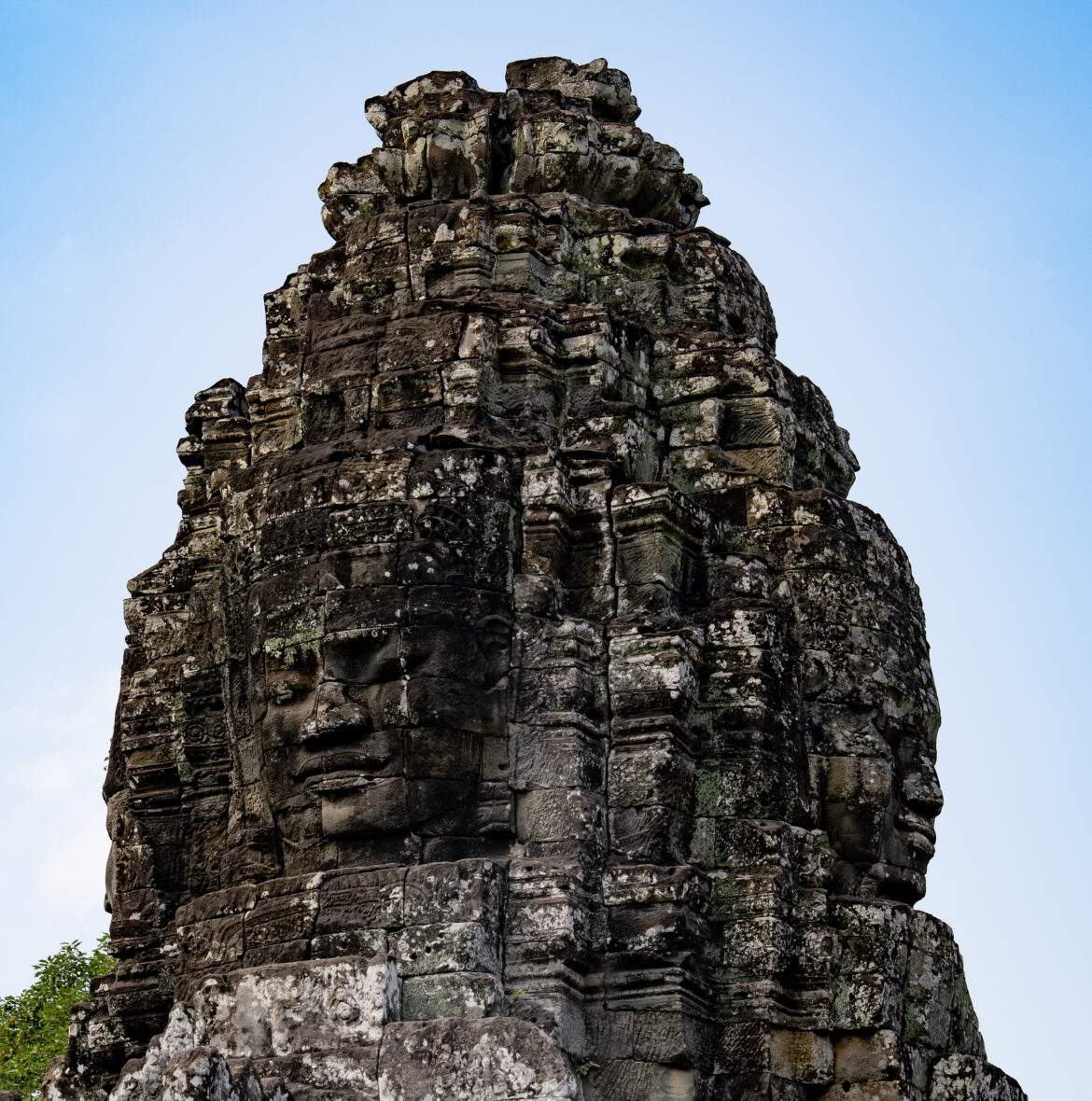
But Angkor is more than a single temple. The entire archaeological park is a vast complex of cities, shrines, and jungle-clad ruins. Give yourself at least two or three days to explore at a relaxed pace — ideally with a knowledgeable local guide who can bring the carvings and history to life.
✈️ Getting There
Cambodia’s two main international gateways are:
-
-
- Siem Reap Angkor International Airport (SAI)
- Phnom Penh International Airport (PNH)
-
Both offer easy connections from Southeast Asian hubs like Bangkok, Kuala Lumpur, and Singapore.
Siem Reap is best for temple lovers. Phnom Penh offers a deeper dive into modern Cambodia — including sobering but essential visits to the Killing Fields and genocide museum.
📍 Quick Travel Snapshot
Language: Khmer
Religion: Predominantly Theravada Buddhism
Capital: Phnom Penh
Currency: US Dollars widely accepted; Cambodian Riel often given as change
Visa: Visa on Arrival or eVisa available for most nationalities
Power Plugs: Type A, C, and G
Handy App: Grab (for tuk-tuks and taxis)
🌦 Climate: Tropical and Toasty
Cambodia is hot and humid year-round.
-
- Dry Season (Best Time to Visit): December–April
- Rainy Season: May–November (heaviest rains in September and October)
Even during the rainy months, showers often come in dramatic afternoon bursts rather than all-day downpours. The upside? Fewer crowds and lush green landscapes. Just build a little flexibility into your schedule.
🚦 Safety Tips
Cambodia is generally safe for travelers. Violent crime is relatively low, though petty theft can occur — especially in busy areas of Phnom Penh. Use common sense: keep valuables secure and be alert in crowded markets.
The biggest risks tend to be traffic accidents (helmets matter!) and mosquito-borne illnesses like dengue fever. Pack strong insect repellent, especially during the rainy season.
💵 Budget: Big Experiences, Small Prices
Cambodia is one of Southeast Asia’s best travel bargains.
-
- Hostel beds from around $3 USD
- Private hotel rooms from about $8 USD
- Meals for $1–$5 USD
Street food is both affordable and delicious — think fragrant noodle soups, grilled skewers, and fresh tropical fruit. Tuk-tuk rides are inexpensive, and hiring a driver for a full day of temple exploring is surprisingly affordable.
For transportation, download Grab — it works much like Uber, but here you’re likely to be whisked away in a cheerful tuk-tuk rather than a car.
🚦 Safety Tips
Cambodia is generally safe for travelers. Violent crime is relatively low, though petty theft can occur — especially in busy areas of Phnom Penh. Use common sense: keep valuables secure and be alert in crowded markets.
The biggest risks tend to be traffic accidents (helmets matter!) and mosquito-borne illnesses like dengue fever. Pack strong insect repellent, especially during the rainy season.
Why Go?
Cambodia isn’t just about temples. It’s about resilience. It’s about villagers waving as you pass by in a tuk-tuk. It’s about monks in saffron robes walking through ancient courtyards at dawn. It’s about confronting history — and witnessing hope.
Come for Angkor Wat. Stay for the smiles.